
Model photos without hiring a model: what to know
What a shoot with a model costs, how a reusable AI model works, what consent and labelling require, and where the approach falls short for your store.

Botika and Fotifai compared with data checked on 15 November 2026: features, pricing, image licence, language, and when each one is the better choice for you.
Botika and Fotifai tackle a similar problem (putting your clothes on an AI model) from different positions. Botika is an English-language, fashion-focused platform with a gallery of more than 150 models and plans priced in dollars. Fotifai is in private beta, Spanish first, installs inside your store, and adds an avatar mode built around your own model. Every Botika data point in this article was checked on 15 November 2026.
For the wider market picture, start with our guide to the best AI product photo tools.
| Botika (botika.com) | Fotifai | |
|---|---|---|
| Access | 7-day trial with 300 credits; paid plans | Private beta by invitation, waiting list |
| Website language | English (I saw no other languages) | Spanish first, also English |
| Starting point | Photo on a person, flat lay, ghost mannequin | Product photo, including a phone photo |
| Models | Gallery of 150+ AI models; custom models built with their team | Avatar mode: reusable model created from 3-5 reference photos |
| Backgrounds and scenes | Studio, interior, street and coast | Clean, white, transparent backgrounds, or a scene |
| Video | Yes, short clips from a photo | No |
| Retouching | Per-image retouch (10 credits) | Full regenerate or retouch with a mask |
| Quality control | Not described that I saw; Enterprise advertises expert review | QA layer before delivery |
| Online store | No plugin or documented integration seen (only a review mentioning Shopify) | WooCommerce plugin built; PrestaShop and Shopify in preparation |
| API | Enterprise only; MCP "coming soon" on Pro | Public /v1 API with a key (MCP in preparation) |
| Jewellery | Not mentioned that I saw | Avatar mode, with jewellery as a starting use case |
Botika, botika.com/pricing, US dollars. The page showed me the yearly-billing view with the monthly equivalent:
| Plan | Price | Yearly total | Credits | Credit rollover |
|---|---|---|---|---|
| Personal | USD 20 per month | USD 240 per year | 10,080 | Renews monthly |
| Pro | USD 48 per month | USD 576 per year | 26,400 | 3 months |
| Max | USD 80 per month | USD 960 per year | 48,000 | 6 months |
| Enterprise | Custom | Custom | Custom | Life of the contract |
Each action spends credits: a standard 2K on-model photo costs 30 credits (20 for fast, 40 for high, 80 for max 4K), a professional flat lay 10, a retouch 10, and a 5-second video 130. One-off top-up packs run from 250 to 7,500 credits and stay valid for 12 months (I did not see their price). Two caveats: I could not see the price for month-to-month billing, and the page does not make clear whether the credits are per month or for the whole prepaid year. Also, Botika's product pages still say "1 credit per photo", a different unit from the pricing page. The figures floating around aggregators (USD 22 to 40) belong to older versions: our internal analysis from June 2026 listed USD 33, 35 and 40, and it no longer matches the website. That is why every number gets checked on the same day.
Fotifai (figures come straight from the platform configuration): a Free plan with 10 credits a month, Basic at €19 (100 credits), Pro at €49 (500 credits) and Business at €99 (1,000 credits). Enterprise is custom. There is monthly billing only, plus credit packs: for example 200 credits for €14.99. A model on a product (model_swap) costs 5 credits and a background cleanup costs 1.
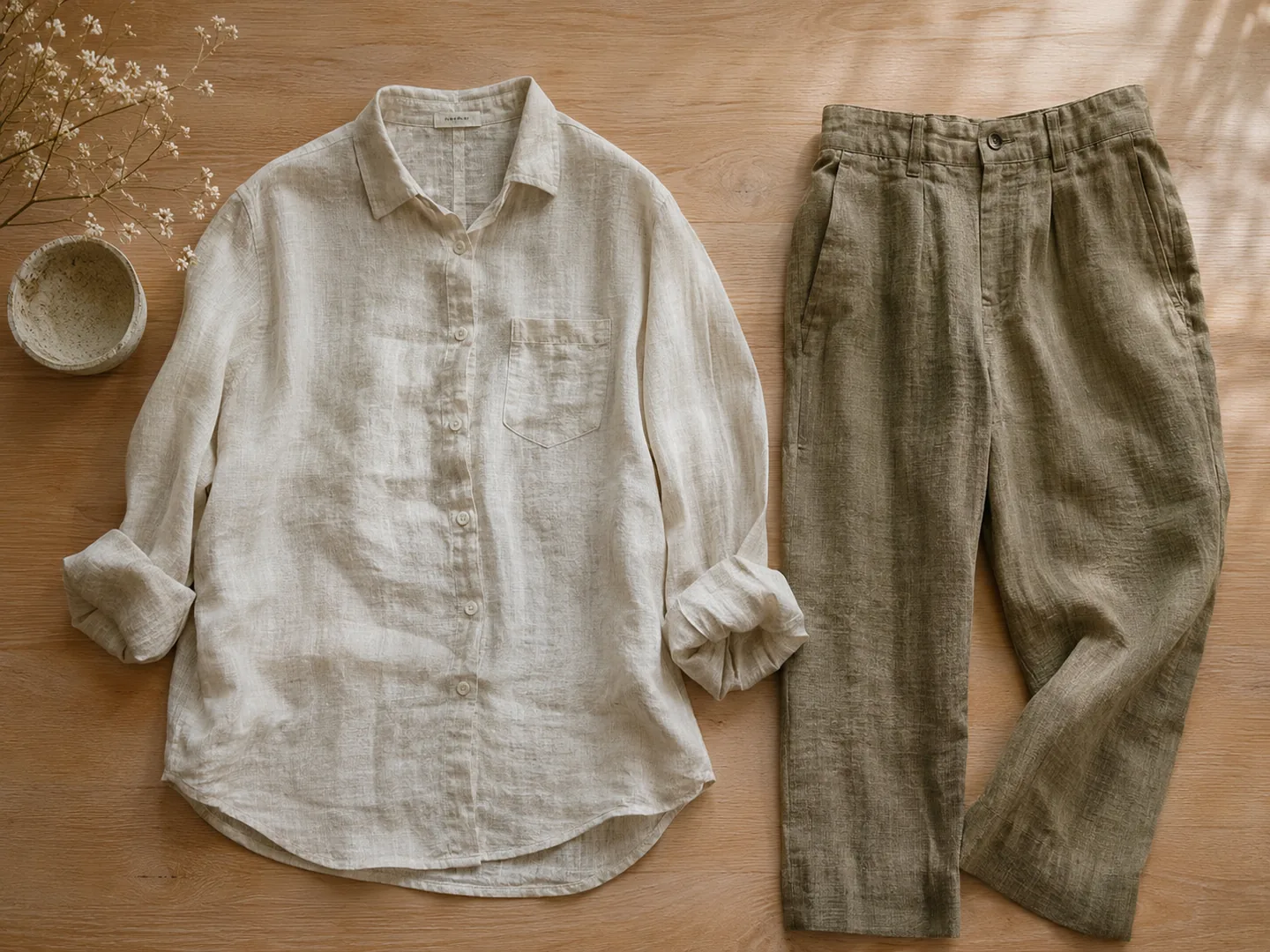
According to Botika's terms of service (updated 1 June 2026), the company keeps ownership of the generated photos and you receive a non-exclusive licence: it lasts until the later of two years after generation and the end of the agreement, it is non-transferable, and it only covers your own fashion business. They also state that similar photos may be generated for other customers. They describe their models as synthetic, not intended to depict a real person, and offer a written takedown procedure with a response in about 30 days.
Fotifai's website promises that generated images are yours with commercial use (no watermark from the Basic plan). While it is in beta, read the final terms before you commit to a campaign.
One note that applies to both: if you use the likeness of a real person, you need their written consent, and it is wise to label AI-generated content wherever the sales platform asks for it.

Botika suits fashion brands with more volume and a dollar budget. Fotifai suits small and mid-sized fashion and jewellery stores selling in Spanish. If you are also weighing cheap generalists, the comparison with SellerPic adds another reference point.
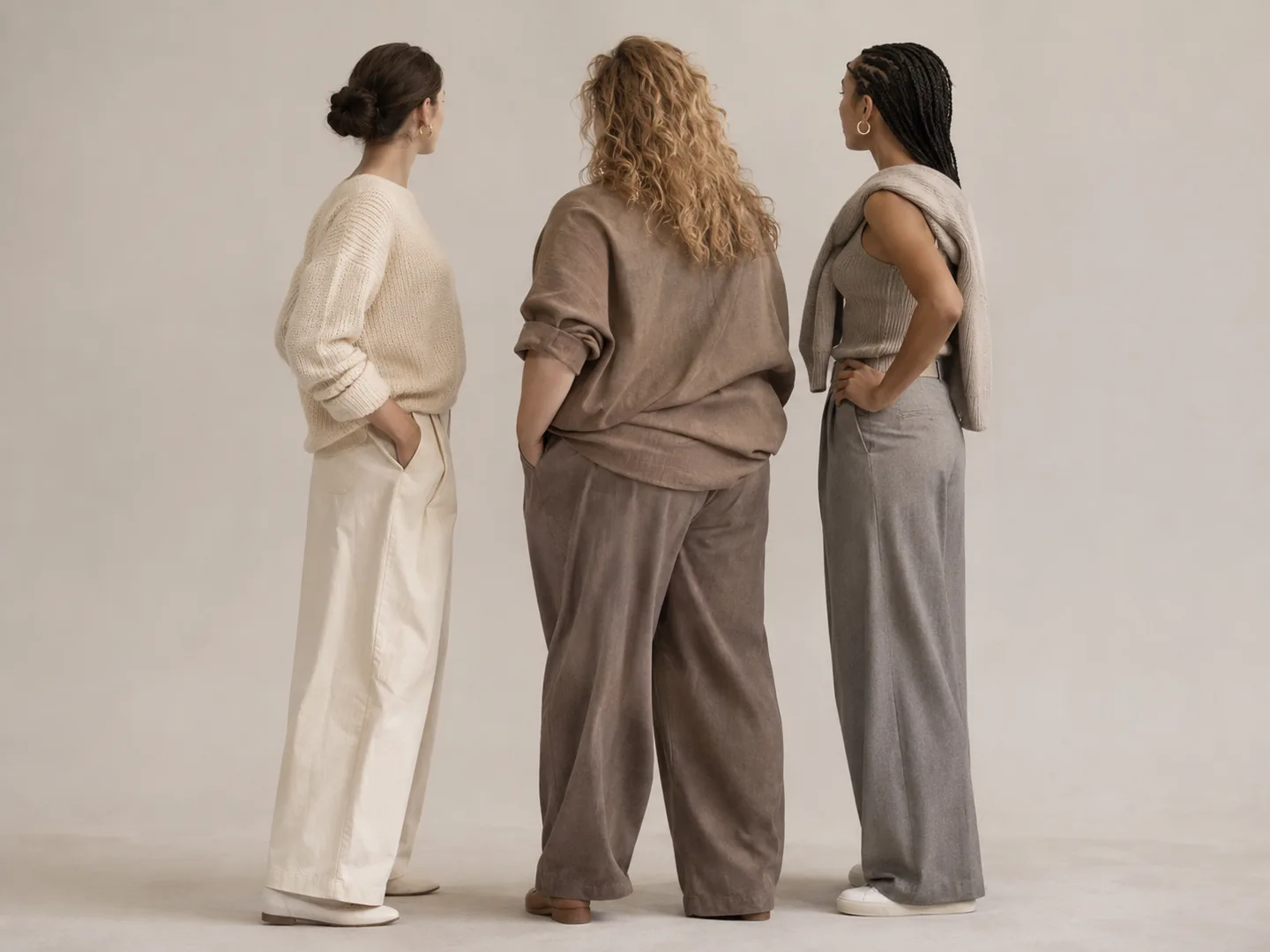
Accessed on 15 November 2026. All pages opened without blocking unless noted.
Fotifai is in private beta. Request access and we will let you know when there is room.
Try FotifaiWhat a shoot with a model costs, how a reusable AI model works, what consent and labelling require, and where the approach falls short for your store.
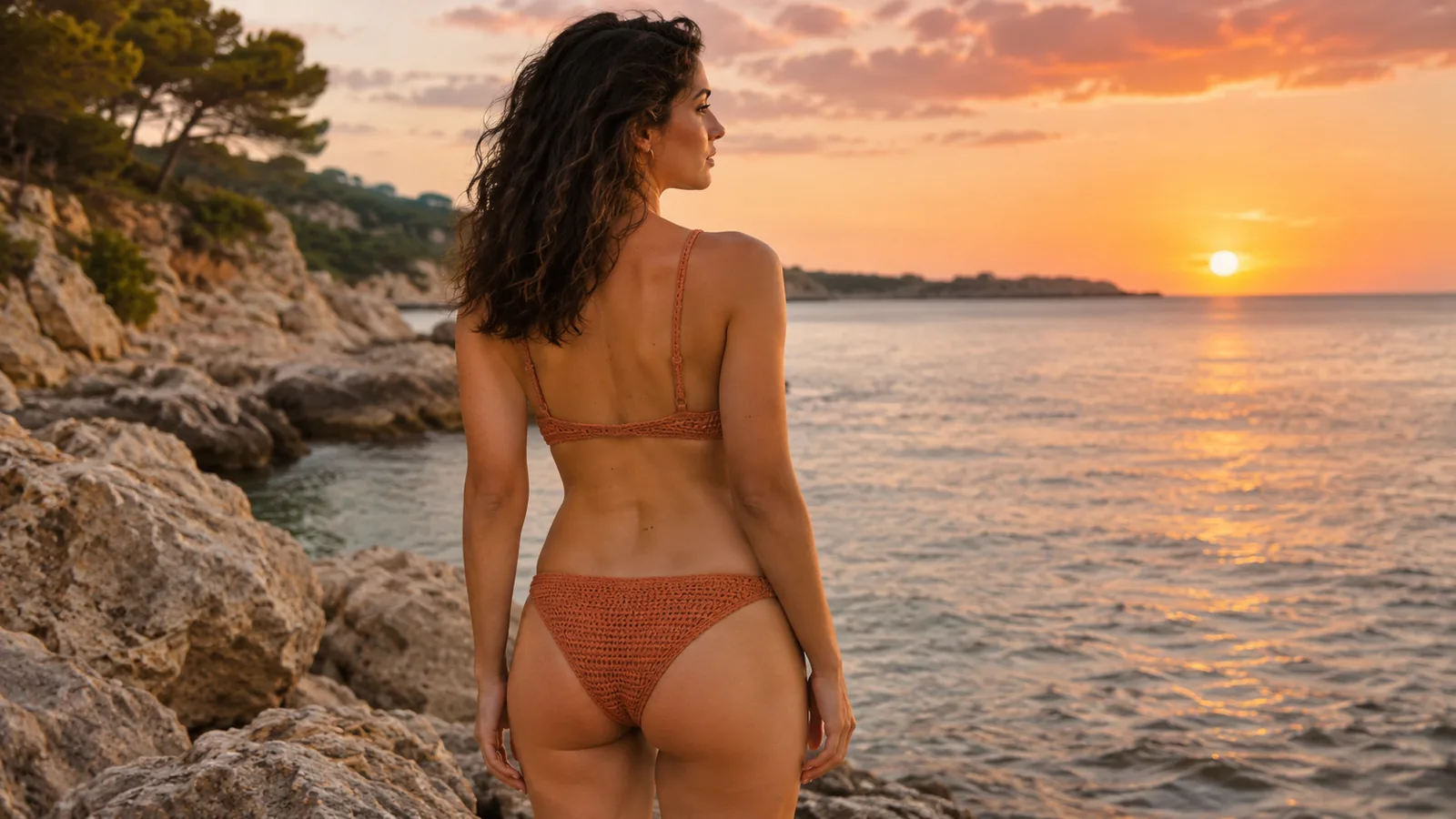
A simulated case of a bikini store dressing its whole catalog on one model in avatar mode: the workflow, credits, time, limits and what to check by hand.
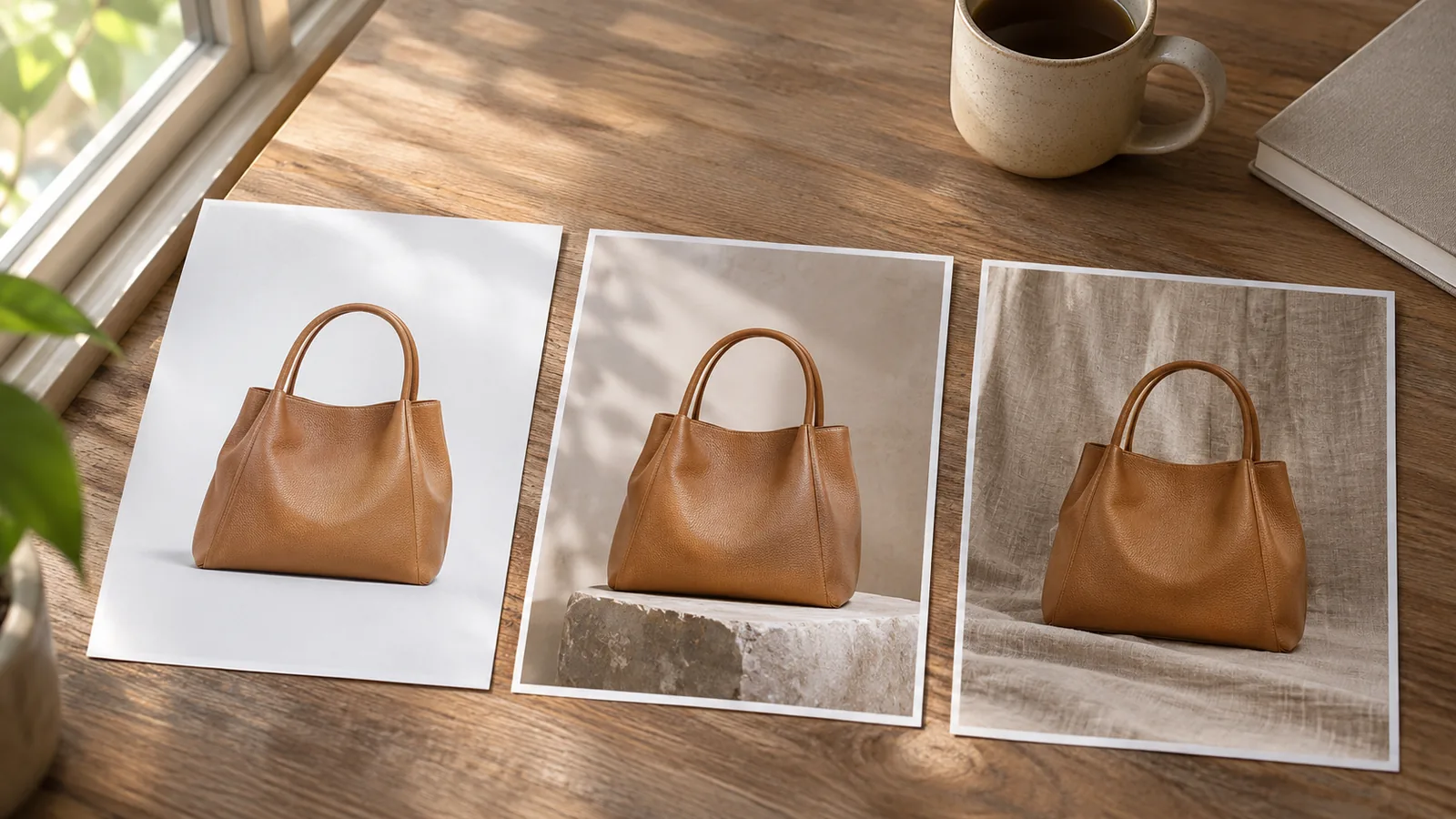
A market guide to Photoroom, Pebblely, Claid.ai, Botika, SellerPic, Canva, Adobe and Shopify: dated pricing, how to choose, and which tool fits which store.