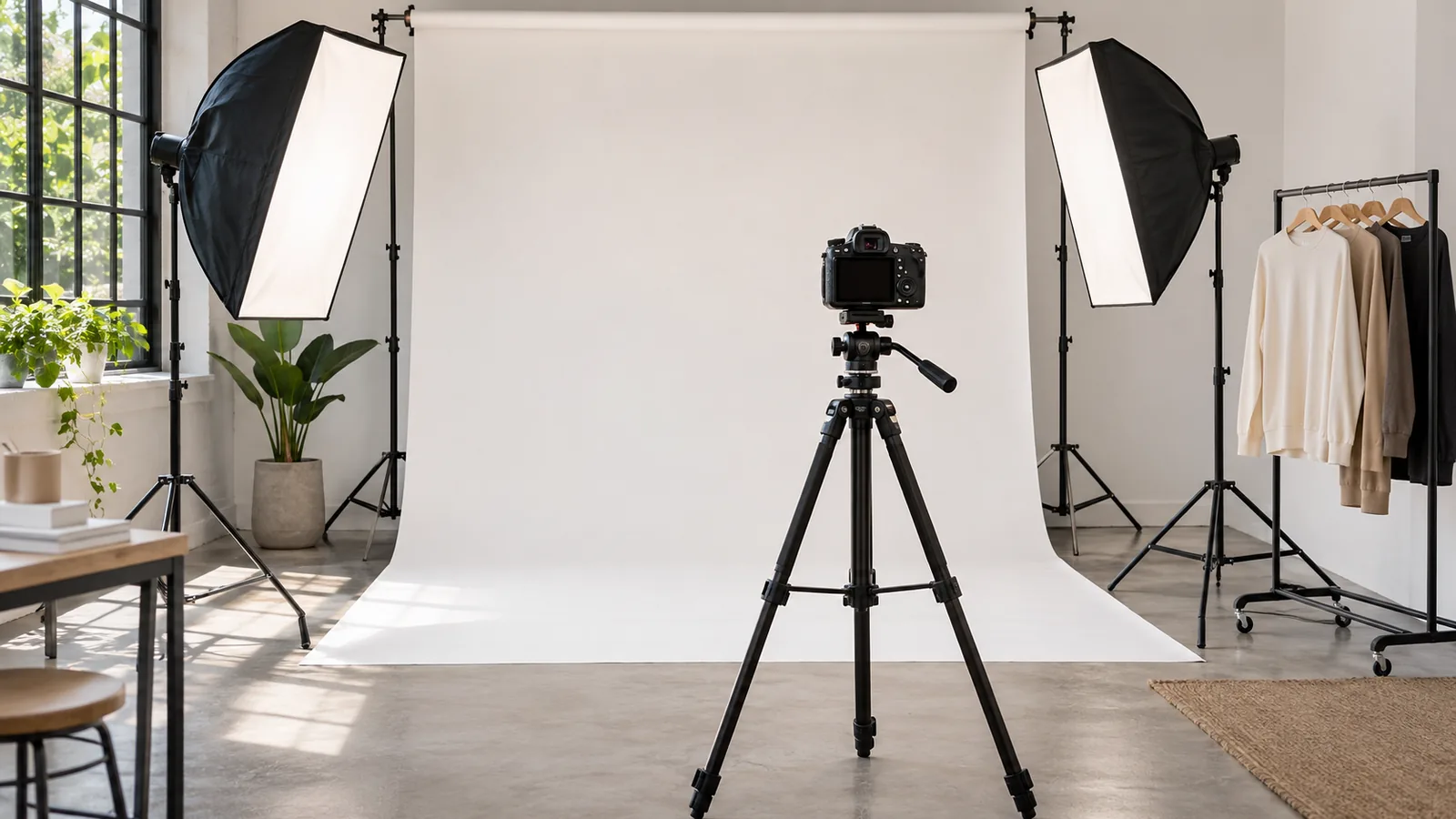
How much does it cost to photograph an online catalog
Public pricing from Spain and the US for product photography, an illustrative 80-product example, and where AI really saves money and where it does not.
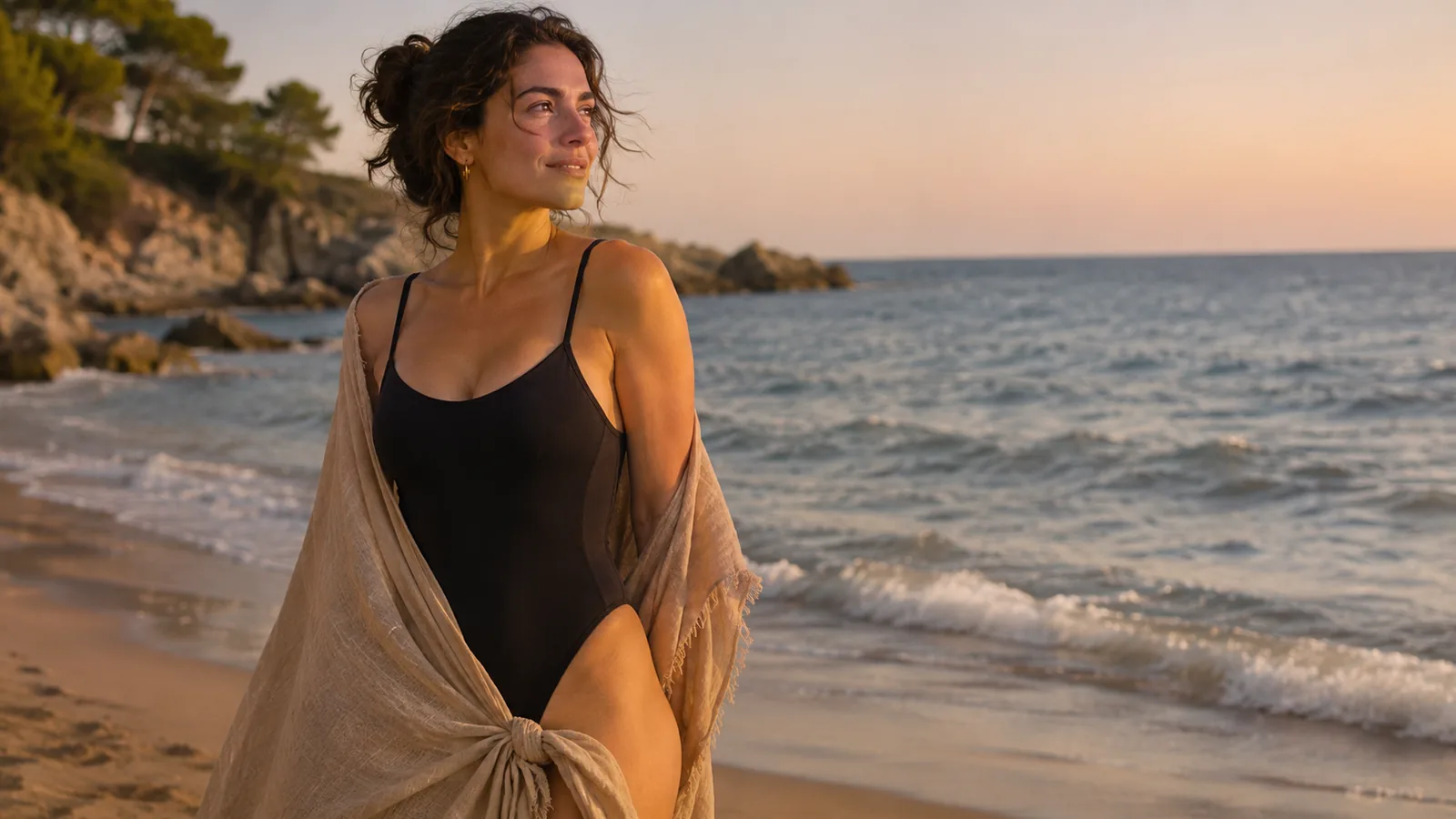
What a shoot with a model costs, how a reusable AI model works, what consent and labelling require, and where the approach falls short for your store.
A photo with a model usually sells better than a garment on a white background, but hiring a model, a stylist and a studio for every collection is the first thing a small store cuts. AI models promise to solve that. Here we cover what a real shoot costs, how a reusable AI model works, what consent requires and where it falls short.
Public figures are wide and come from commercial sources, so read them as orders of magnitude:
| Source and date | Item | Published figure |
|---|---|---|
| Cronoshare, Spain, 14 January 2026 | Lifestyle photo with a model | €150 to €500 per session (includes model, styling and 10 to 15 final photos) |
| Squareshot, 6 April 2026 | A model's fee | $100 to over $2,000 per model |
| Squareshot | Hair and make-up | $150 to $800 per day |
| Squareshot | Photographer | $1,000 to $5,000 per day (mid-range) |
| Squareshot | Full day of a clothing shoot | $2,000 to $8,000; with models, up to $15,000 a day |
The gap between Spain and the US is huge, and Cronoshare's Spanish range is that of a small, simple session. Even so, the pattern is the same: every new collection reopens the spend, and a shoot with a model means coordinating schedules, styling and delivery.
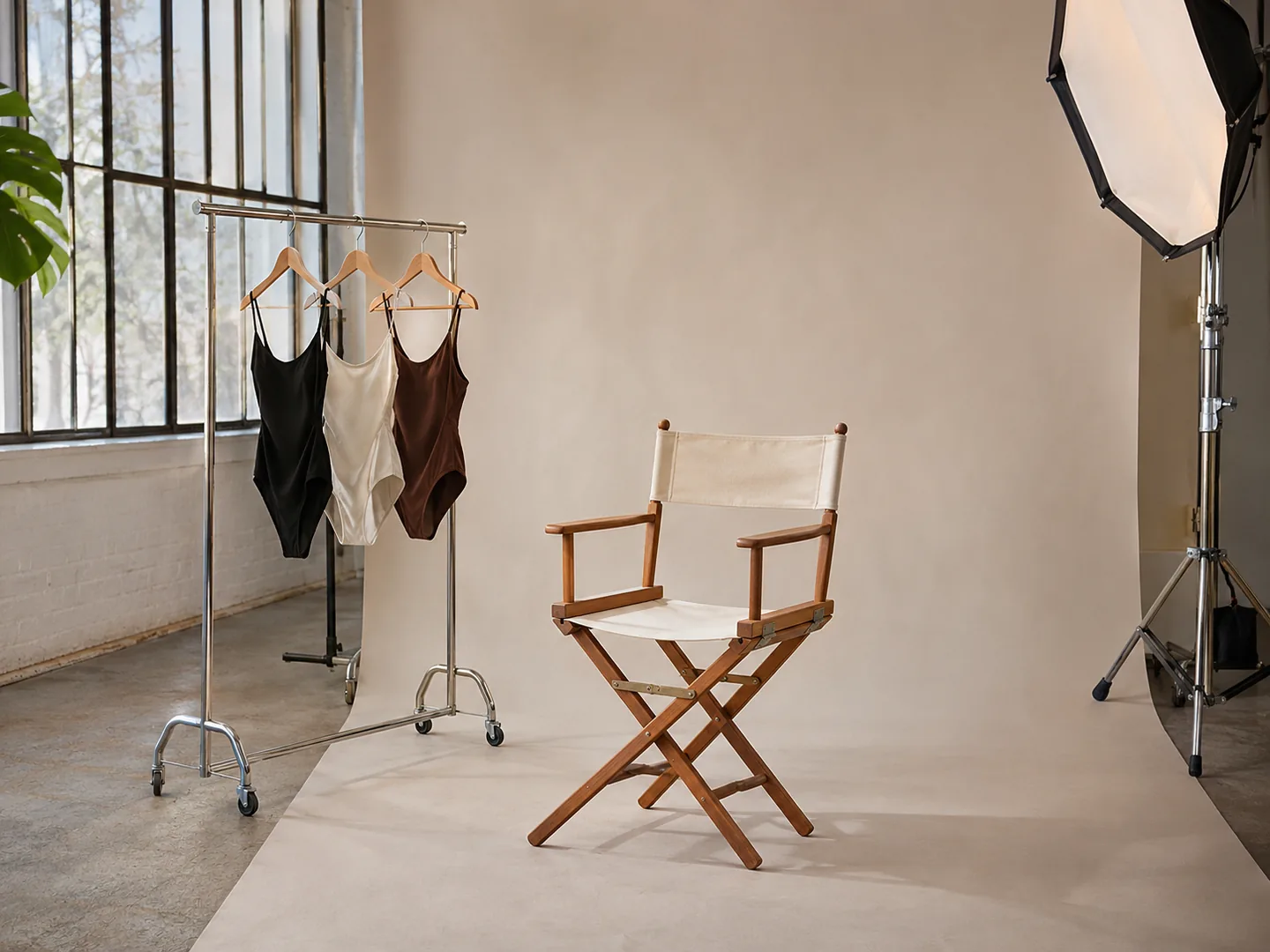
A Nfinite report (US, April 2023, 1,074 consumers) found that 69% say a lifestyle image catches their attention more than a packshot. It is published by a company in the industry and covers one country, but it points in the direction any fashion store already senses: putting the product on someone helps people picture it worn.
With a reusable AI model, the idea is to separate two things:
That avoids the problem of generic AI: a different face in every photo, which makes the store look like a collage.
Avatar mode creates a model from 3 to 5 reference photos, plus an identity description (features, style, expression) that is taken into account every time that model appears. Then:
A real example: in June 2026, Fotifai generated Oreaster's swimwear photos on Génesis, the store's model. The details are in avatar mode, and the result can be regenerated or retouched.
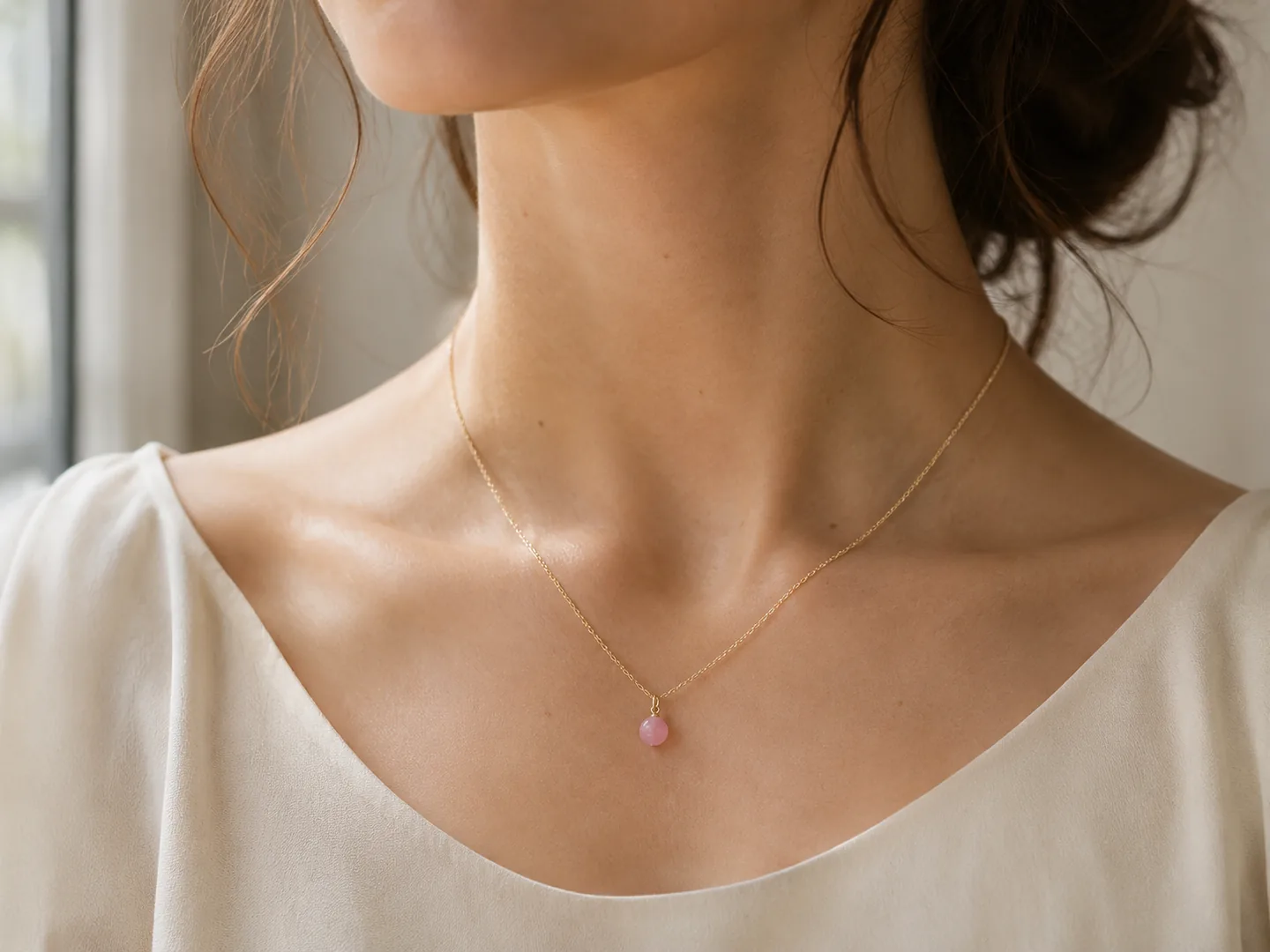
This is not legal advice, but three points are worth being clear about:

Placing a product on a model is the job that uses the most credits: 5 per image (against 2 for a background change). You compare that with your plan: Free (10 credits a month, for trying it out), Basic (€19 a month, 100 credits), Pro (€49, 500 credits) or Business (€99, 1,000 credits). More credits for a single month come as packs, such as 200 for €14.99. It is a private beta by invitation. For a cost example, see how much it costs to photograph a catalog.
Fotifai does not make video, is not a general editor and does not guarantee more sales.
A good fit if you sell clothes, swimwear or jewellery, want a consistent face across the whole catalog and have no budget for recurring shoots. The starting story is in why Fotifai was built.
Not a fit if your brand depends on highly recognisable real models under image contracts, if you need editorial campaign photography, or if you cannot document the consent of the person the model is based on.
For the full picture, see the guide to AI product photo tools.
AI models and virtual try-on as part of a broad editor (also backgrounds, batch, API and video), according to its website on 15 November 2026. More in Fotifai vs Photoroom.
It places the product on a person (a necklace, for example), but its homepage does not describe other model options. More in Fotifai vs Pebblely.
Oriented to API and batch processing, according to our February 2026 analysis (its website did not load today). More in Fotifai vs Claid.ai.
A fashion specialist: 150+ AI models, a consistent model across images and whole collections processed in bulk, with a free trial. It wins here on specialisation. More in Fotifai vs Botika.
Model swapping, multi-angle shots and virtual try-on for garments and jewellery. More in Fotifai vs SellerPic.
Accessed on 15 November 2026:
Third-party figures are indicative. Nothing in this article is legal advice.
Request beta access and see how your catalog would look with a consistent model.
Try FotifaiPublic pricing from Spain and the US for product photography, an illustrative 80-product example, and where AI really saves money and where it does not.
SellerPic and Fotifai side by side with data checked on 15 November 2026: features, pricing, jewellery, video, and when each one is the better choice for you.
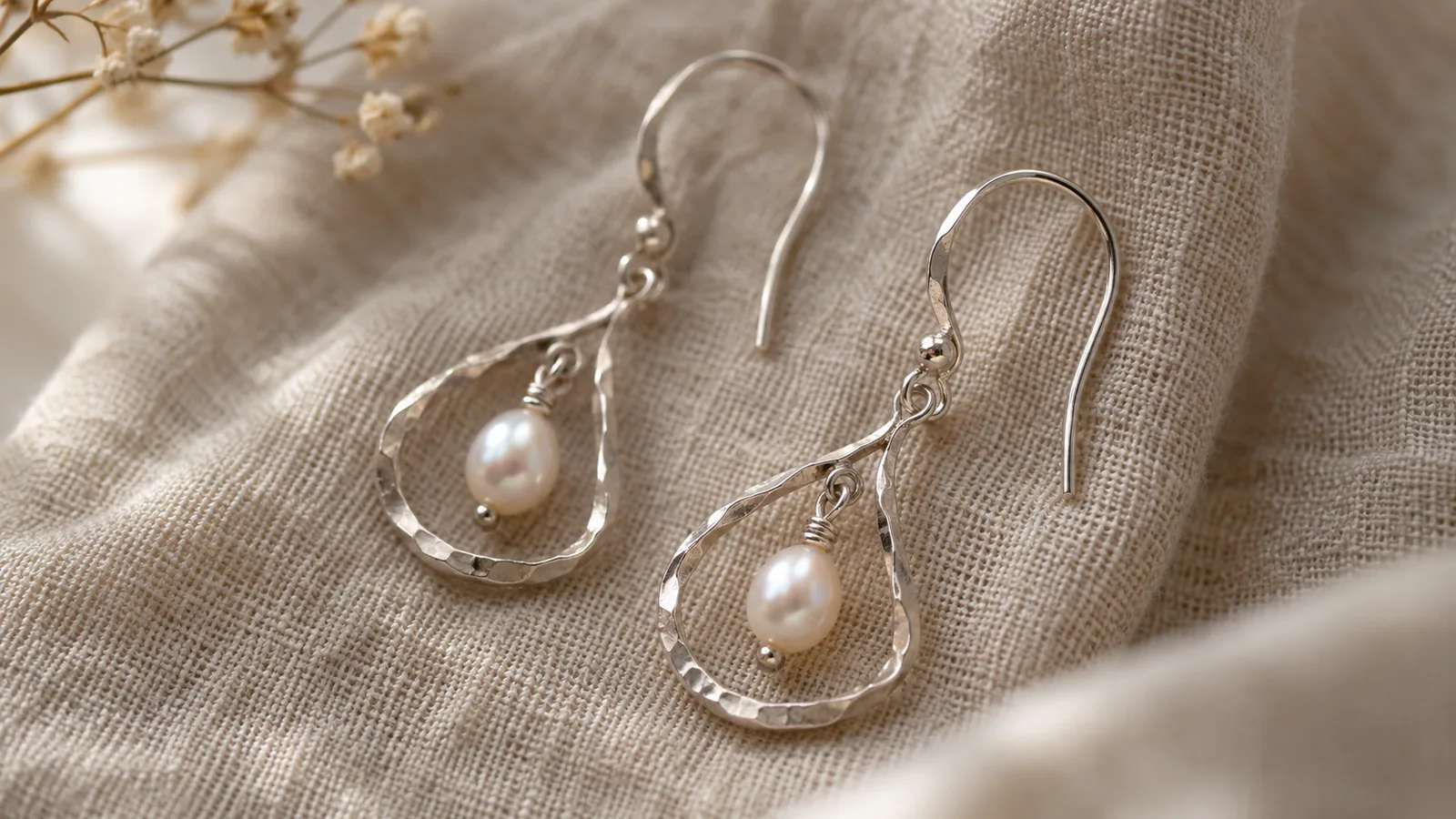
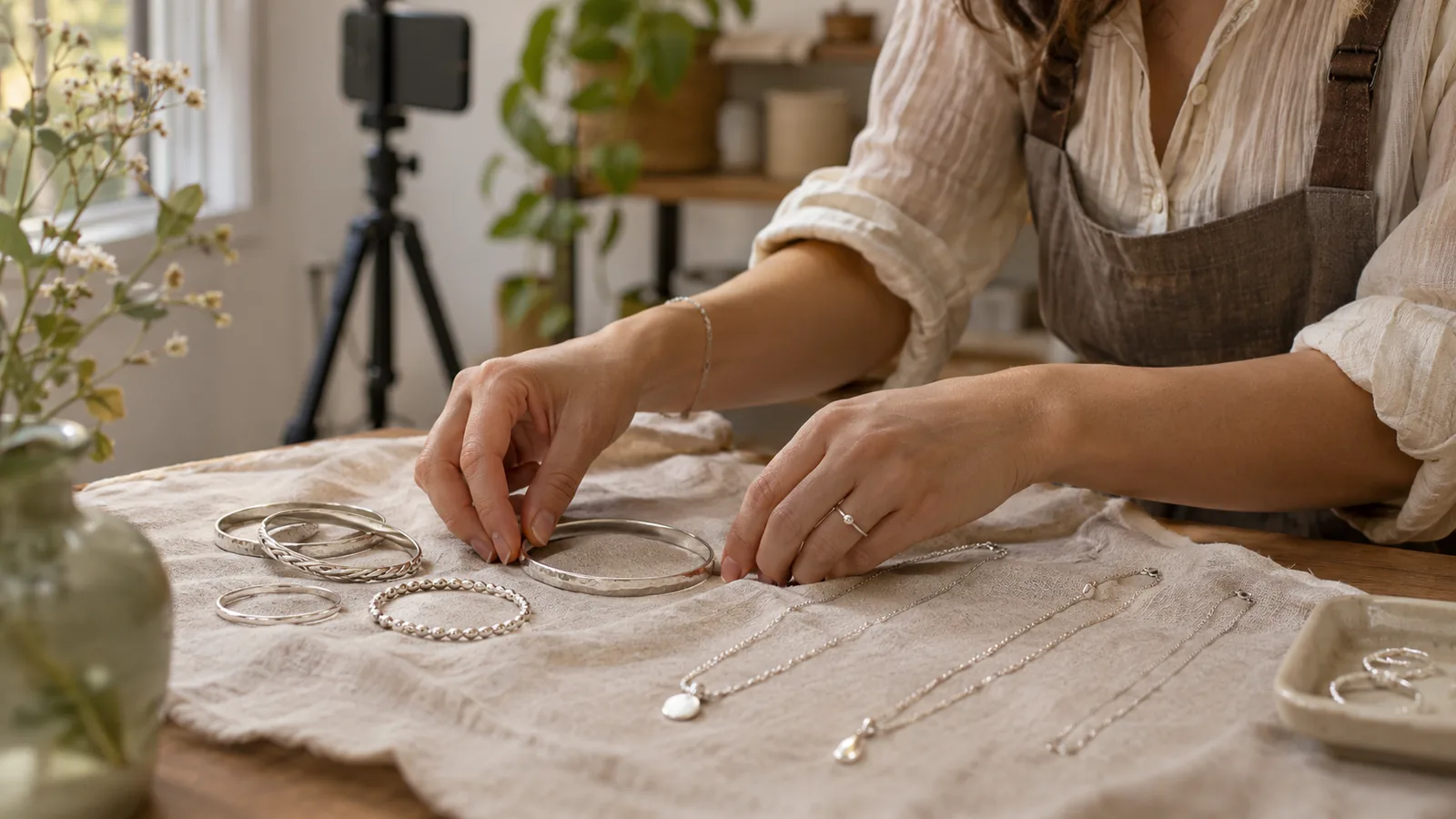
Simulated case of a handmade jewellery workshop: close-ups, clean backgrounds and jewellery on a model with Fotifai. Workflow, credits, limits, manual checks.