How much does it cost to photograph an online catalog
Public pricing from Spain and the US for product photography, an illustrative 80-product example, and where AI really saves money and where it does not.
Fotifai was built for stores with phone photos and no studio budget, and was tuned with two real stores in 2026. Here is the story and its limits.
Fotifai started in February 2026 with one very specific problem: small online stores with their own catalogs and no sensible way to photograph everything. In June 2026 we put it to the test with two real stores, one selling swimwear and one selling jewellery. This is the story, including what works, what it costs and what it does not do.
The stores are Oreaster, which sells swimsuits and bikinis, and Blossom by Olha, which sells jewellery. Both are real stores running on Tiendifai, the online store platform from Codelabs, the company that makes Fotifai. Their catalogs change every season, and both hit the same bottleneck: the photo.
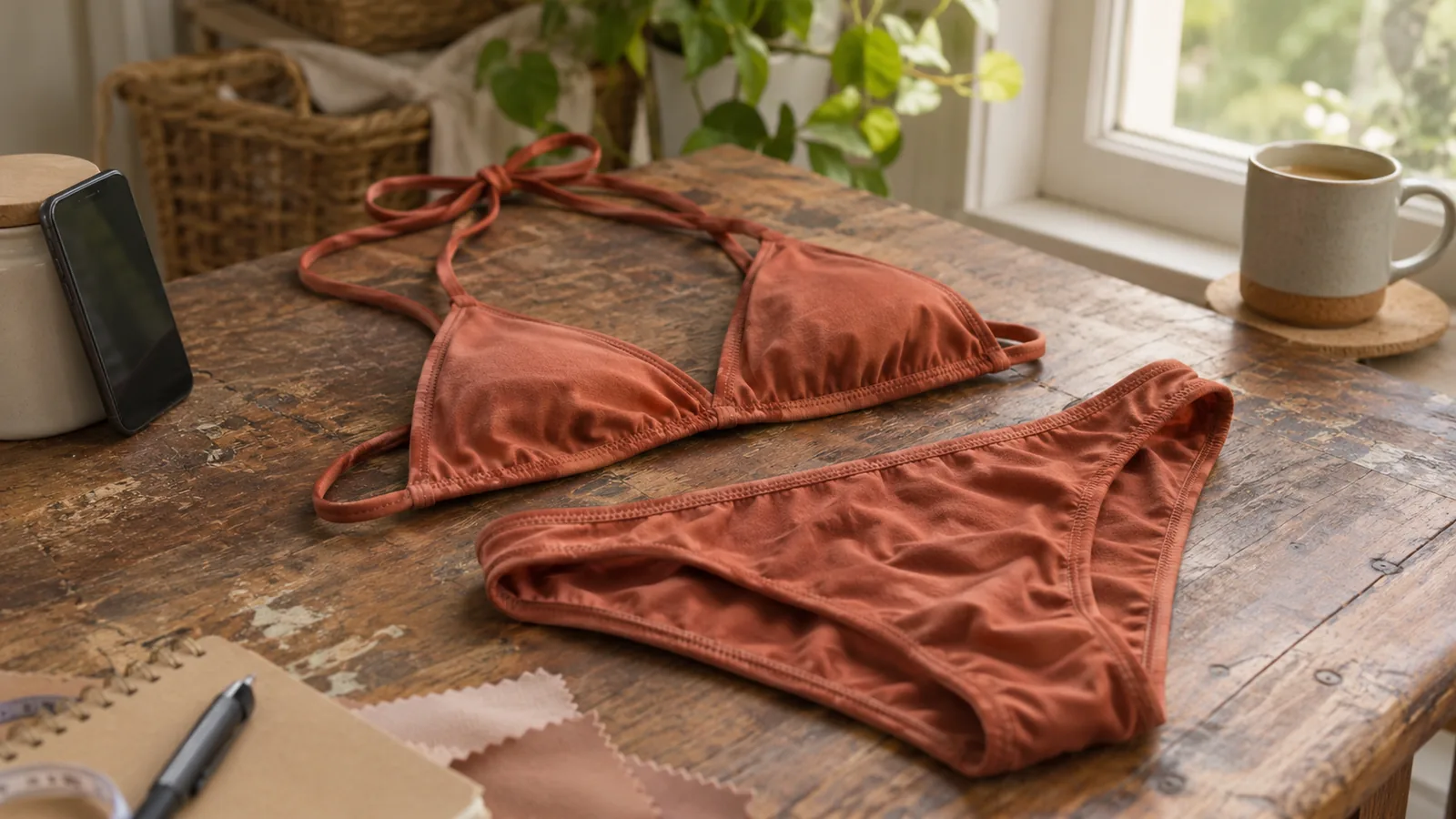
The scene repeated itself every time new stock arrived. A wrinkled garment on a table, a phone, the light from a window and a rush to get something usable. Jewellery was worse: tiny pieces, reflections, a pearly finish that a phone turns into a smudge. The result was fine for a WhatsApp message and weak for a product page.
When we did the sums, three things were holding us back.
None of the three is dramatic on its own. Together they explain why so many small stores leave photography as the job for "when there is time". We go deeper in how much it costs to photograph a catalog and in phone photos that do not sell.
We started with a simple idea: use the latest image models to clean the background and place the garment on a model. It worked quickly for swimwear. Two lessons changed the design.
First: the model has to be the same person every time. A store does not want a different face on every product. That is where avatar mode comes from: a reusable model created from 3 to 5 reference photos and an identity description, so the whole catalog is worn by the same person. With that mode, in June 2026, Fotifai generated Oreaster's swimwear photos on Génesis, the store's model. Since September 2026, both stores request their photos from AvatarSuite, the evolution of Fotifai into full avatar management. The details are in avatar mode.
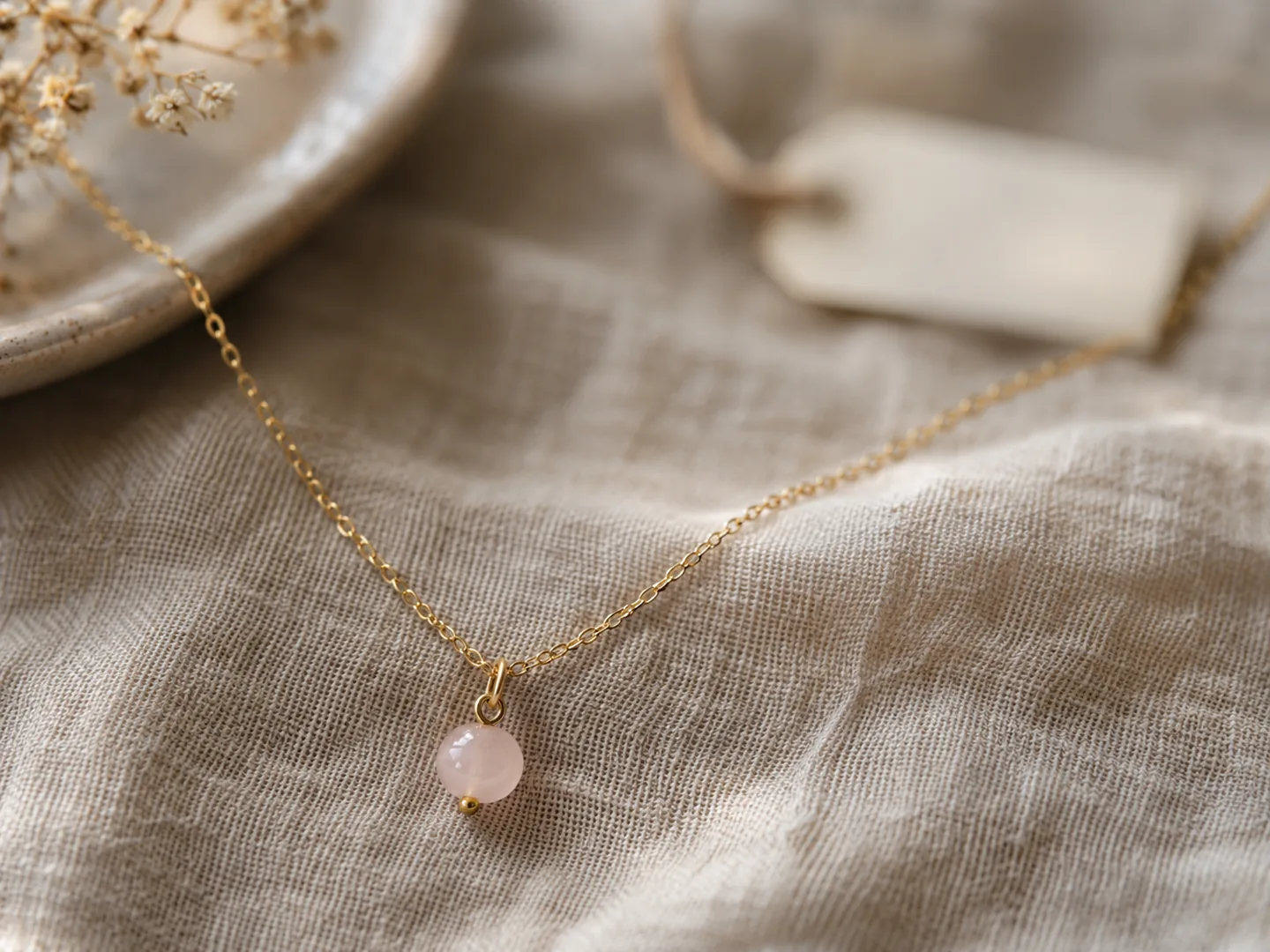
Second: the product comes first. In jewellery, an early attempt lost the pearly finish and made the pink more vivid, so the piece looked like a different item. We learned to give the engine every real photo of the piece and to describe precisely what AI tends to lose (colour, shape, size, finish). That is also why Fotifai has a quality check before delivery (today it checks format, dimensions, file size and, optionally, similarity to the original) and why you can retouch or regenerate: no check is infallible. See the quality check.

An AI product photo platform for online stores, Spanish first and also available in English.
For now it is a private beta by invitation: there is no open sign-up, only a waiting list.
We do not claim to be better at everything. Photoroom, for example, is more mature and broader, and if you need a mobile app with general editing or video, it may suit you better. Our bet is different:
In our internal analysis from June 2026 we did not find another tool that combines the first three, but that comparison is indicative and the market moves fast. If you want to look at it calmly, the guide to market tools compares the main ones, and there are head-to-head pieces such as Fotifai vs Photoroom.
There is a Free plan for trying things out, with 10 credits a month and limits (the website says that plan carries a watermark). Then come the monthly plans: Basic (€19 a month, 100 credits), Pro (€49, 500 credits) and Business (€99, 1,000 credits), plus a custom Enterprise plan. There is only a monthly plan. If you need more credits in a particular month, there are separate packs, for example one of 200 credits for €14.99.
Each job uses credits by type: removing a background costs 1, replacing it 2, generating a scene 3 and putting the product on a model 5. Pricing and credits, explained in more detail.
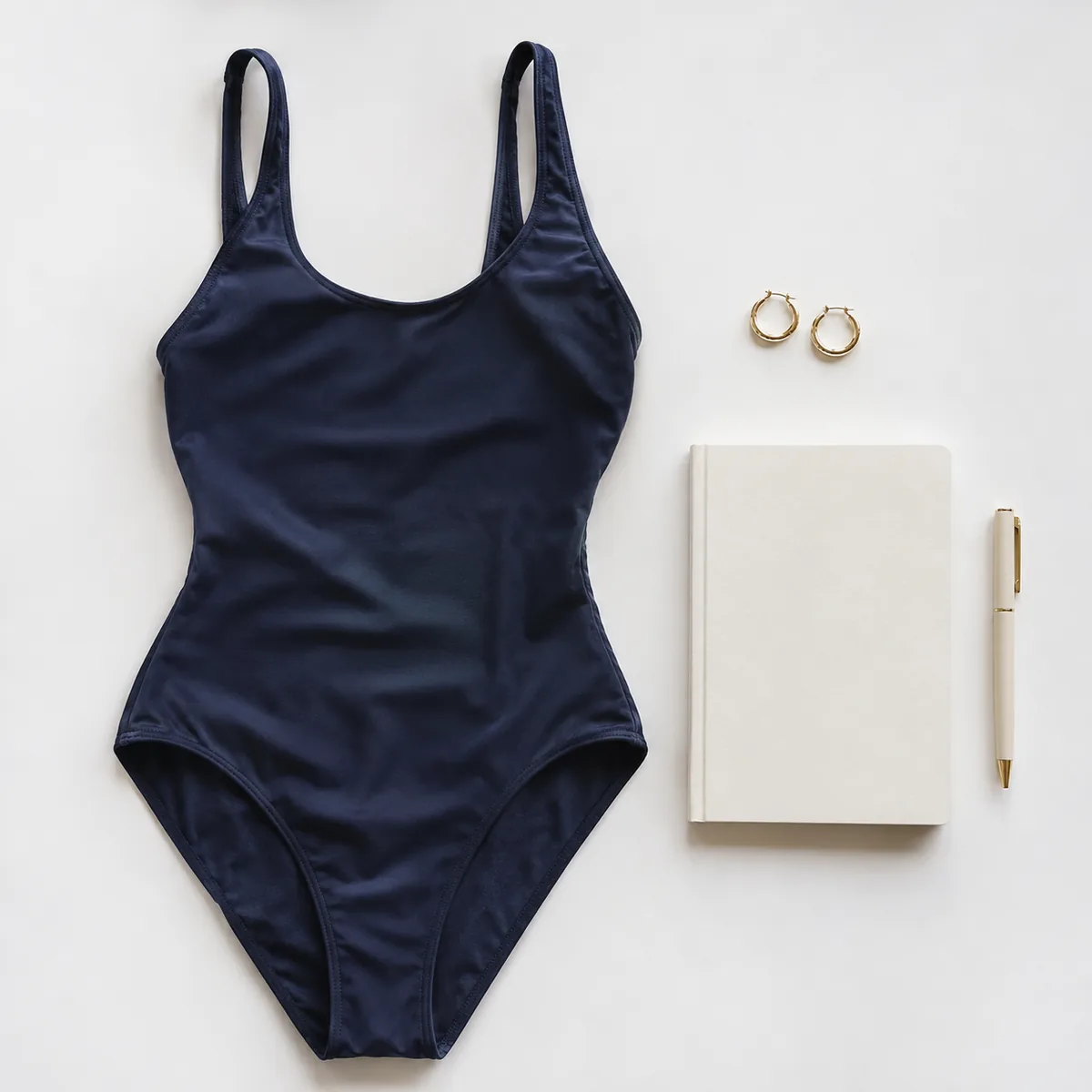
A good fit if you run a small or mid-sized online store, especially fashion, swimwear or jewellery, with a catalog that changes and no fixed budget for a photographer and model every season.
Not a fit if you need very high-end product photography with total control of every reflection, if you want video, or if your catalog is so small and stable that a local photographer works out cheaper (a basic packshot in Spain can cost very little, as shown above).
If you want to test it with your own photos, request access to the beta.
Accessed on 15 November 2026:
Third-party figures are indicative and come from commercial sites. References to Photoroom come from its public website, viewed on 15 November 2026. The internal June 2026 comparison is ours and has not been verified by third parties.
Request access to the private beta and see what Fotifai would do with your own catalog photos.
Try FotifaiPublic pricing from Spain and the US for product photography, an illustrative 80-product example, and where AI really saves money and where it does not.
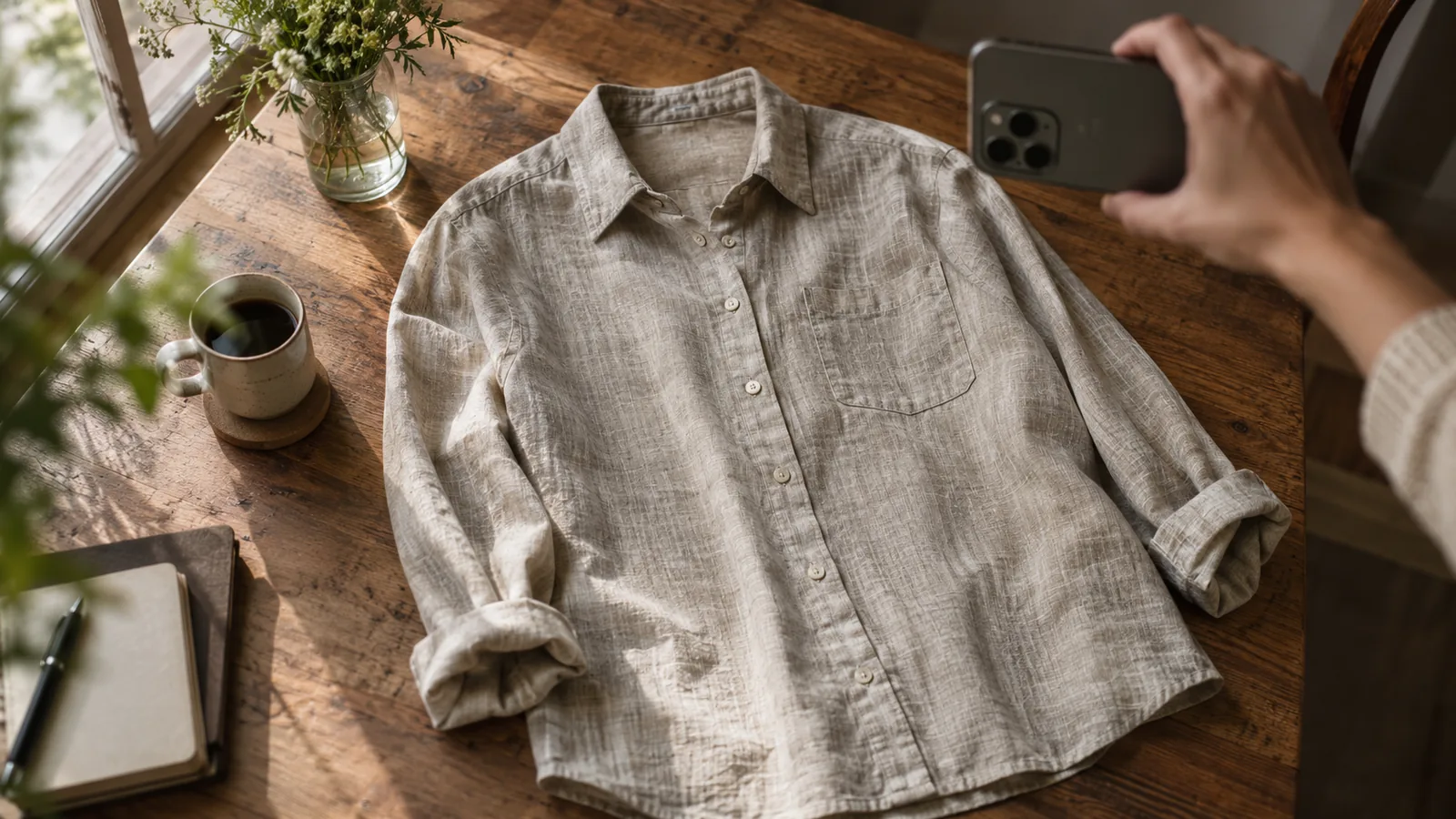
Why phone photos drag down a product page, what you can improve when shooting and what AI can actually correct, including where it stops working.
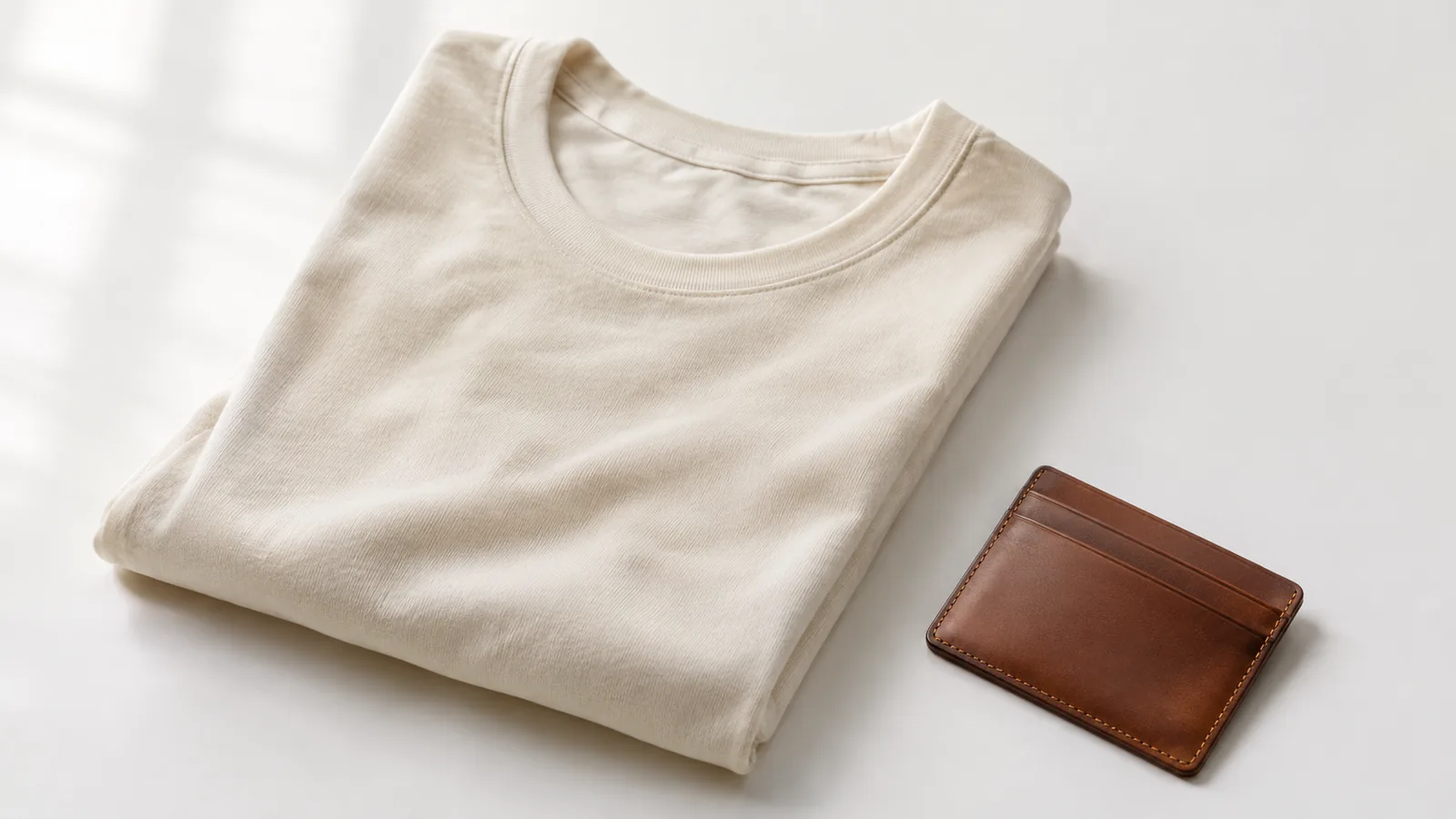
How Fotifai's product mode turns a phone photo into a catalog image: cleaning, removing or replacing the background, what each job costs and its limits.